Restore Ground Level After Stump Work
Stump backfilling in Cleveland & Gainesville, GA, that fills depressions left by grinding or removal to prevent sinkholes, pooling water, and uneven yard surfaces.
After a stump is ground or removed from your Cleveland & Gainesville, GA property, you are left with a depression that can settle further over time, creating a hazard for mowing equipment, foot traffic, and future landscaping. Rainwater collects in these low spots, and the ground may sink as wood chips and roots decompose underground. Grind Away Stumps offers backfilling to restore ground level and prepare the area for grass, planting, or hardscaping without the risk of uneven settling.
Stump backfilling uses appropriate fill material based on what the area will be used for and what the surrounding soil conditions are like. Topsoil is added if you plan to plant grass or install garden beds, while gravel or compacted fill is used under pavers or driveways. The material is layered and compacted to reduce future settling, and the surface is leveled to match the surrounding grade. This step is often overlooked by homeowners but makes a significant difference in the long-term usability and appearance of the yard.
Learn more about bundling backfilling with stump services and schedule a visit in Cleveland & Gainesville, GA, to review your site and fill material options.
Why Backfilling Prevents Future Problems
Backfilling in Cleveland & Gainesville, GA, begins after the stump has been ground or removed and debris has been cleared from the hole. The depression is filled in layers, with each layer compacted to reduce air pockets and support the weight of foot traffic or equipment. The type of fill depends on whether the area will support turf, plants, or a hardscape feature like a walkway or patio base.
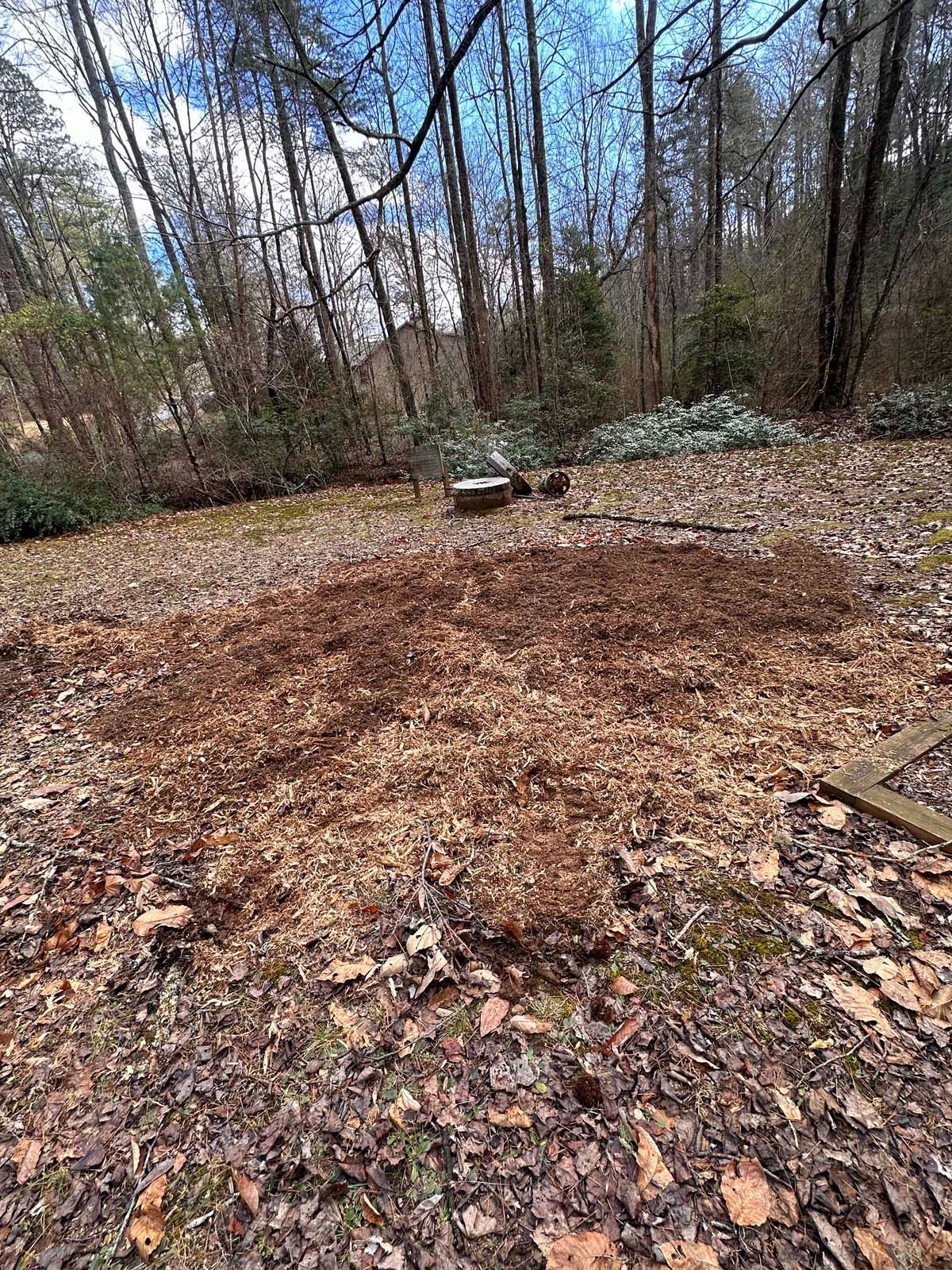
Once backfilling is complete, the ground is level with the surrounding yard, and the low spot that collected water or caused tripping risks is gone. The area looks finished and is ready for seeding, mulching, or construction prep without waiting for natural settling.
Backfilling does not include grading large areas or installing sod, but it does prepare the specific stump site for those next steps. Skipping this step can lead to depressions that reappear months later as organic material breaks down and soil compacts. The service is particularly important on slopes or in areas with heavy clay soil, where settling is more pronounced.
Questions about fill material, timing, and settling are common before backfilling is scheduled. These answers clarify what to expect during and after the process.
Details Homeowners Want to Confirm First
Grind Away Stumps includes backfilling as part of stump grinding and removal services across Cleveland & Gainesville, GA, helping homeowners avoid sinkholes and prepare yards for grass, planting, or hardscaping. Contact us to discuss fill material options and bundle backfilling with your stump work for a complete finish.